
Social media often feels like something businesses are supposed to do. Social isn’t a mandatory marketing channel by any means, but it is a smart investment if your current and ideal customers actively use the platforms. A thoughtful social presence gives your brand more opportunities to build awareness, trust and long-term relationships.
At the same time, there is a big difference between simply showing up online and using social media effectively. An account with no recent activity looks outdated and abandoned, while overposting random content dilutes messaging and hurts engagement. Instead of posting just because, businesses should focus on sharing content that feels intentional, helpful and aligned with their brand.
What Should You Post on Social Media?
Incorporating social media into your marketing strategy requires nuance. Just because they offer an avenue to promote your business doesn’t mean social posts should only focus on your products or services. People tend to follow pages that entertain, help them feel understood or teach them something. You’ll find better success on social media creating a mix of posts with the intention of building relationships and connecting with your audience authentically.
Educational Content
There’s value in providing information, answering questions and solving problems for users online. Posting content that helps your audience learn something useful positions your brand as a trusted resource.
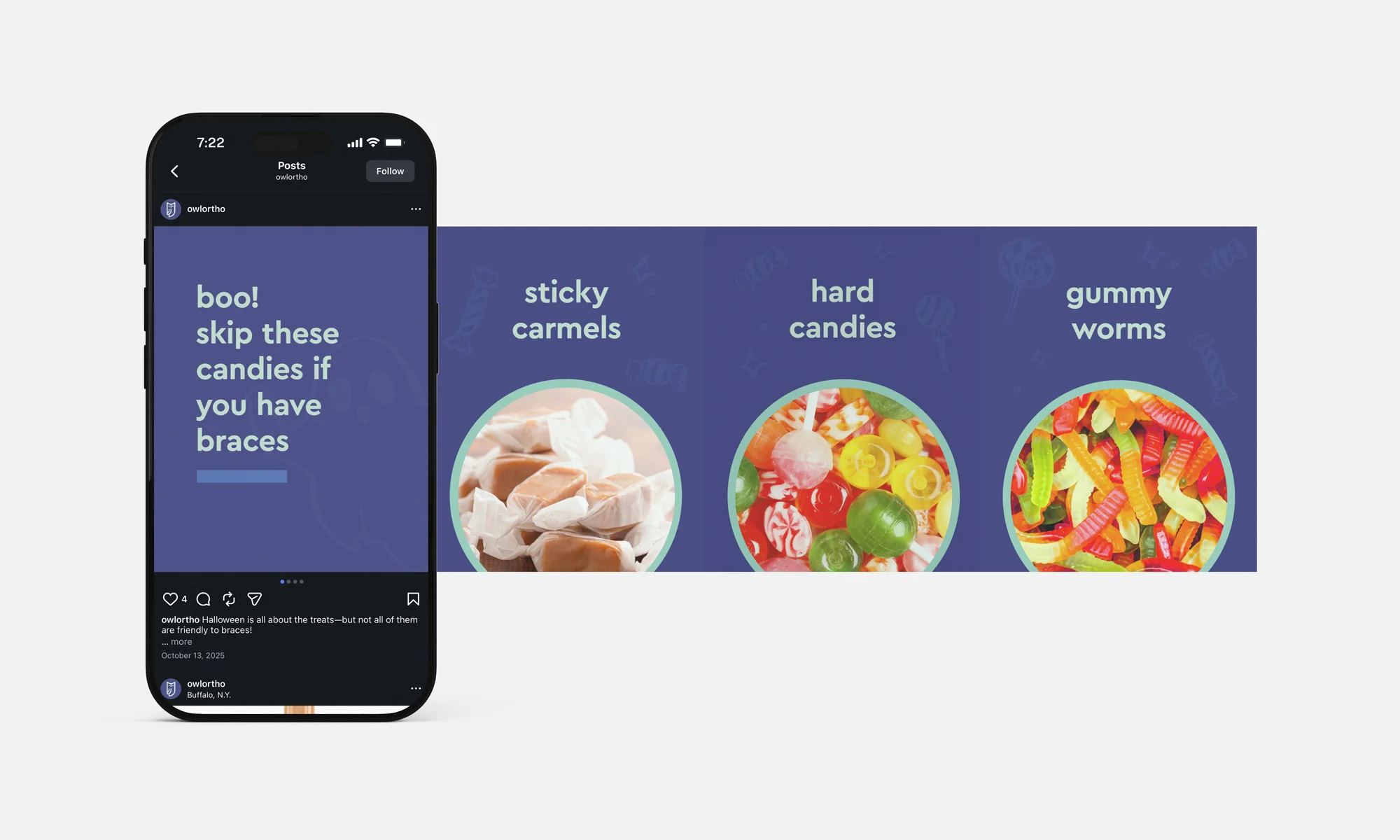
Educational content is as easy as posting:
Applicable tips and best practices
How-tos or step-by-step guides
Answers to common questions
Common mistakes to avoid
Before-and-after explanations or demonstrations
People are more likely to save, share or reference content that actually helps them. So, educational content can be a way to drive engagement and keep an audience returning for more insights.
Entertaining Content
Showing your brand’s personality reminds viewers that there are real people behind the account. Entertaining content humanizes your business, making it feel more relatable and approachable. These posts do not have to be over-the-top or complicated; they work best when kept simple and on-brand.

Entertaining content can be as straightforward as sharing:
Behind-the-scenes moments
Team features and culture highlights
Community involvement
Brand values in action
Relatable stories or everyday moments
Fun facts or light humor about your brand
Keeping this content in regular rotation creates familiarity. And when someone is more familiar with your brand, they’re more likely to connect and take meaningful action.
Trust-Building Content
Trust-building content supports your brand’s reputation and helps people feel confident in choosing your business. Before someone becomes a customer or client, they want reassurance that they are making the right decision. Seeing real experiences, honest feedback and tangible results plays a big role in building that confidence.
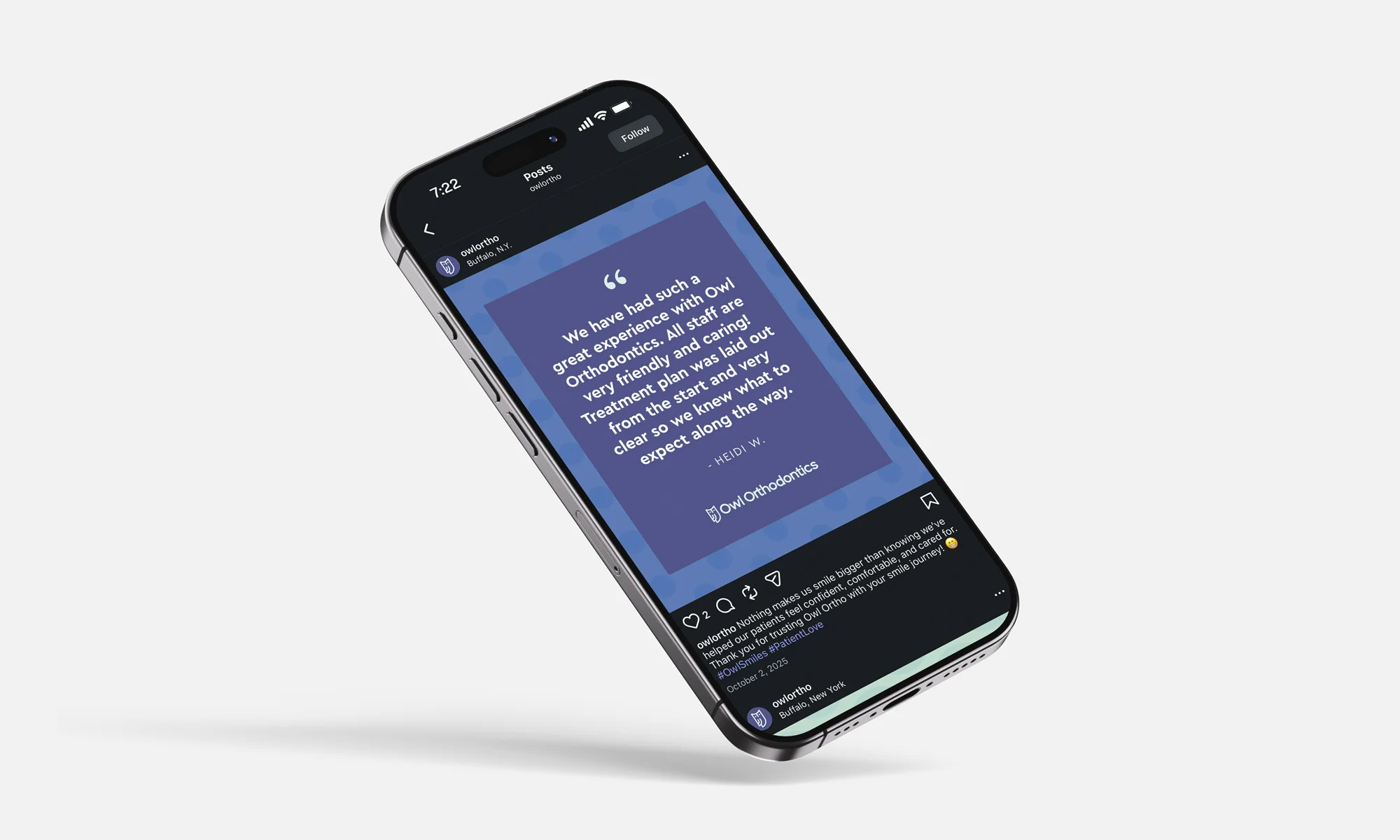
These posts include:
Customer testimonials and reviews
Client stories and success highlights
Case studies or project spotlights
Results and performance metrics
Industry recognition, awards or certifications
It’s up to brands to reduce uncertainties and reinforce credibility with potential customers. Over time, users get to see what your brand actually looks like and stands for. That understanding and trust make it easier for them to take the next step, whether that’s reaching out for more information or making a purchase.
Promotional Content
While promotional content shouldn’t dominate your feed, that doesn’t mean it doesn’t belong there at all. It’s still important to talk about your products, services and offerings so long as you do it in a way that feels natural, relevant and aligned with the rest of your content.
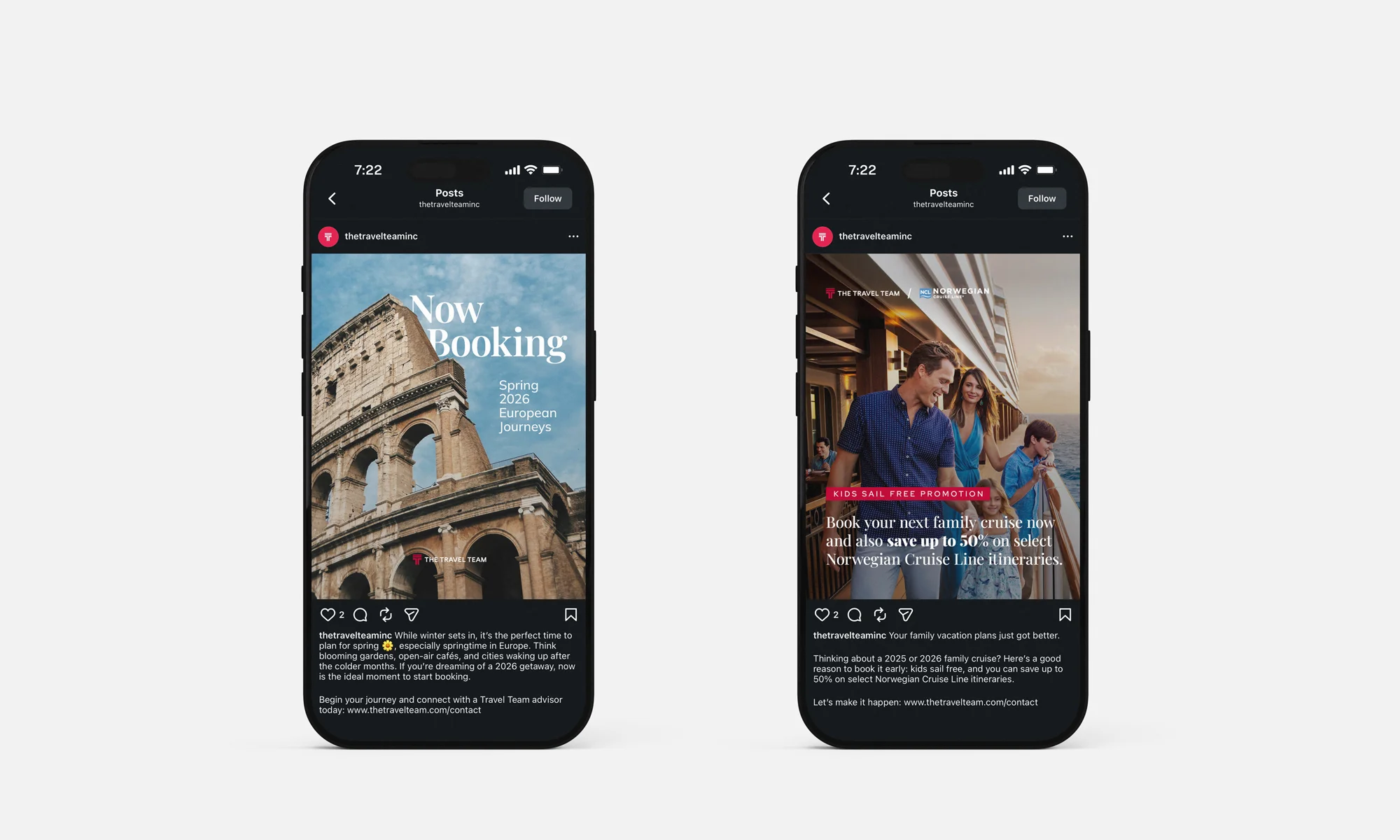
Good promotional content includes:
Product or service updates
New offerings or feature highlights
Limited-time promotions or special offers
Event or brand announcements
Launches or important company updates
Instead of pushing people to buy, balancing this with other content types gives viewers the context they need to understand what you do, how you help and why it matters.
What You Should Avoid Posting
A lot of social media mistakes come from good intentions. Businesses want to stay active, visible and relevant; that desire can sometimes lead to posting content that does more harm than good. Understanding what not to post is just as important as knowing what to share.
Overly Salesy Content
As we’ve mentioned, your feed shouldn’t feel transactional. Even strong offers can lose impact if they appear too often, or if they’re all that appears.
Posting Just for Consistency
Posting for the sake of posting usually equals fluff. Consistency is important, but only when it is paired with intention. It’s better to post less often with purpose than to publish content that does not serve your audience or strategy.
Unrelated Trending Topics
It’s tempting to post about trends. However, if a trend has no connection to your brand or industry, joining in on the trend runs the risk of feeling forced, confusing your audience and weakening your identity. If a trend genuinely fits your business and allows you to wedge in some value or insight, feel free to take advantage of the opportunity. Otherwise, steer clear.
Low-Quality Visuals
It goes without saying, but social media is all about visuals. Low-quality photos or poorly designed graphics can give the impression that little effort goes into posted content, which can translate to doubt about your business.
Original photos or well-crafted visuals are likely to perform better than generic stock images. Building a small library of quality content makes it easier to maintain a polished, professional and cohesive presence that accurately reflects your business.